
When Something Goes Wrong In A Hospital At 2am, How Fast Someone Responds Matters.
In November 2024, a fire at Jhansi Medical College's NICU killed ten newborns. It started from an electrical short circuit. It happened at night. The fire extinguishers were non-functional. But fire is not the only risk a healthcare facility carries after hours. Blood banks lose samples when refrigeration fails undetected. Pharmacies are breached. Equipment disappears during night shifts. Pehraa monitors your premises around the clock with sensors that detect the earliest signs of fire, smoke, intrusion, and infrastructure failure, and a trained operator who responds within 60 seconds of a trigger.

24/7 Fire, Intrusion & Infrastructure Monitoring
Sensor-Based Early Detection
Get A Quote For Your Home
Request a personalized security assessment and a custom quote for your home.
//Why Healthcare Premises Carry a Risk That Most Alarm Systems Are Not Equipped for
Half Of India's Hospitals Are Non-Compliant With Fire Safety Requirements. And Fire Is Only One Of The Risks They Face Every Night.
Peer-reviewed research published in the Journal of Failure Analysis and Prevention (Springer, 2023) found that 50% of Indian hospitals are non-compliant with fire safety requirements, and that electrical short circuit is responsible for 89% of all hospital fire incidents in the country. Between 2020 and 2023, 27 major hospital fire incidents were recorded, 74% of them in private hospitals. Beyond fire, the same premises face after-hours intrusion into pharmacies and record rooms, refrigeration failures in blood banks and vaccine storage, and equipment theft during skeleton-staffed night shifts. The risk is not hypothetical. It is structural, recurring, and concentrated precisely in the kind of premises that have the least margin for error.
Pehraa deploys IoT fire, smoke, and intrusion sensors at the highest-risk points in your premises, electrical panels, blood banks, pharmacies, server rooms, unoccupied wards, and restricted access zones. When any sensor triggers, a trained operator is on it within 60 seconds. Not an app notification to a sleeping staff member. A real person who verifies the alert, contacts your emergency contact, and coordinates with the relevant authorities if needed. Every incident is documented with a full timestamp for regulatory and insurance purposes.
89%
Hospital fires in India caused by electrical short circuit (Journal of Failure Analysis and Prevention, Springer, 2023)
73%
Hospital fires that occur at night, 8pm to 8am, when staffing is lowest (IJCMPH 2020, peer reviewed)
50%
Indian hospitals non-compliant with fire safety requirements (Springer, 2023)
60 sec
Time from sensor trigger to Pehraa operator response
//Protecting Hospitals, Clinics and Diagnostic Centres
Alarm Monitoring That Matches The Stakes Of A Healthcare Environment.
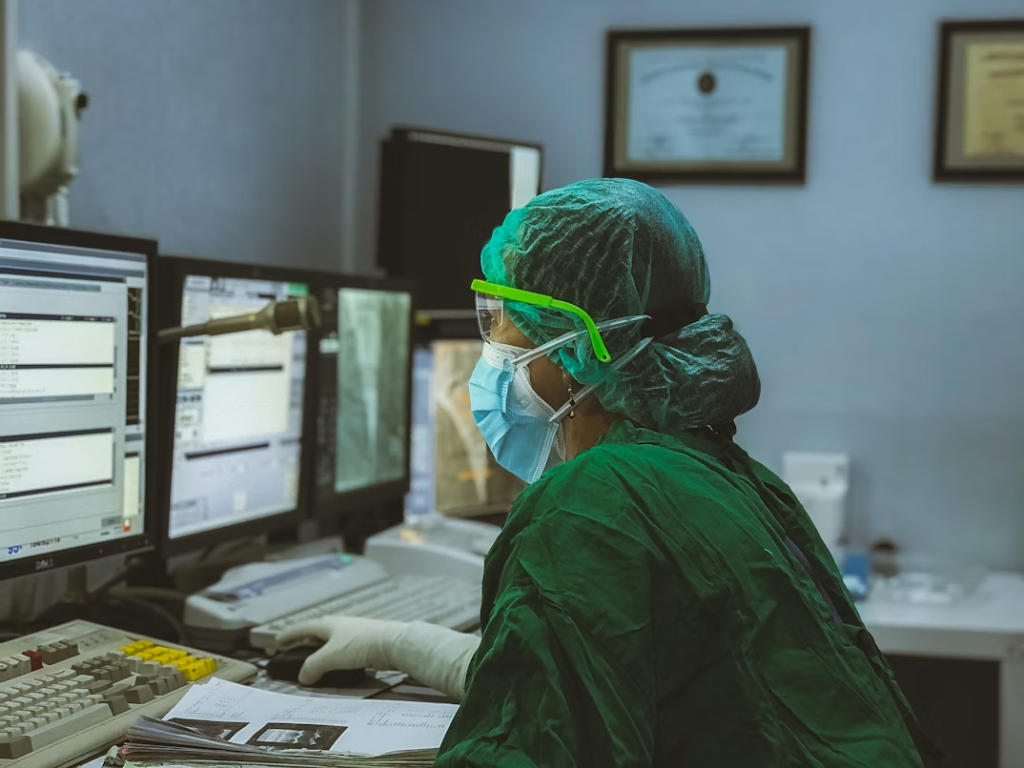
A hospital does not close at night. Patients remain. Staff skeleton shifts are stretched. Electrical systems run continuously. And peer-reviewed research confirms that 73% of hospital fires in India occur between 8pm and 8am, when the building is at its most vulnerable and least staffed. The risk does not reduce after hours. In a healthcare environment, it increases.
Pehraa deploys IoT fire, smoke, and intrusion sensors at the highest-risk points in your premises. Every alert is reviewed by a trained operator within 60 seconds. Not a notification to a staff member who may be occupied with a patient. A dedicated operator whose only job at that moment is to assess the situation and coordinate the response.
// Who We Protect
Every Type Of Healthcare Facility. Monitored To The Same Standard.
From a single clinic to a multi-ward hospital, Pehraa provides fire, smoke, intrusion, and infrastructure monitoring built around the specific risk conditions of every healthcare premises.
Hospitals And Nursing Homes
Full-premises fire, smoke, and intrusion monitoring around the clock.
Clinics And Polyclinics
After-hours monitoring for smaller facilities handling equipment and patient records.
Diagnostic And Imaging Centres
Monitoring for high-value diagnostic equipment with continuous fire risk.
Physiotherapy And Rehabilitation Centres
Entry point and after-hours monitoring for standalone treatment facilities.
Pharmacies And Medical Stores
After-hours monitoring for pharmaceutical outlets and controlled medication storage.
Dental And Specialist Clinics
Monitoring for single-specialty practices with expensive equipment on premises.
Blood Banks And Laboratories
Continuous monitoring for facilities requiring uninterrupted equipment operation.
Ayurvedic And Wellness Centres
After-hours monitoring for wellness facilities holding medical stock and equipment.
What Happens When A Healthcare Facility Goes Unmonitored At Night?
01 – Delayed Fire And Smoke Detection
Peer-reviewed research confirms that 73% of hospital fires in India occur at night, when staffing is lowest. Without a sensor system and a trained operator watching in real time, a fire that begins in an electrical panel or unoccupied ward can develop well beyond containment before anyone notices.
02 – Undetected Infrastructure And Storage Failure
A refrigeration unit failing in a blood bank or vaccine storage room at 3am is invisible without sensors. By the time staff arrive in the morning, samples are compromised and recovery is impossible. The same applies to water leakage in server rooms, gas leaks near anaesthesia storage, and power failures affecting critical equipmen
02 – Unauthorised Access And Asset Loss
Pharmacies, ICUs, NICUs, operation theatres, and record rooms are high-value, high-consequence zones. After-hours entry into these areas, whether by intruders, unauthorised staff, or visitors who overstay, creates patient safety risk, regulatory exposure, and asset loss that is rarely detected until after the fact.
//Common Gaps In Healthcare Security
Solving The Gaps That Leave Hospitals And Clinics Exposed.
Most healthcare facilities have fire extinguishers, smoke detectors, and some form of alarm system. The gap is not awareness of the risk. It is the absence of anyone watching and responding when something actually triggers. We assessed the most common failure points in healthcare premises security and built our service around closing them.
Unmonitored Alarms At Night
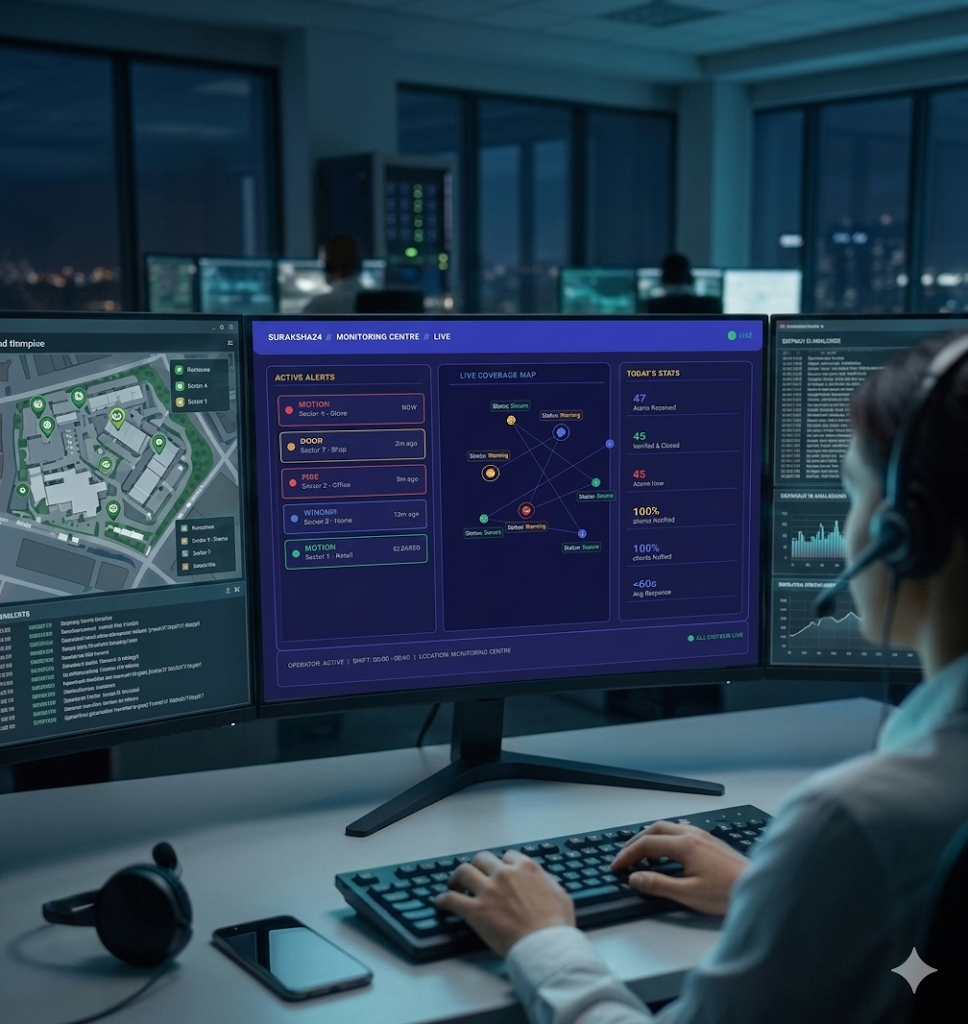
A smoke detector that triggers at 2am in an unoccupied ward alerts no one if there is no operator watching. Pehraa puts a trained operator on every alert within 60 seconds, every hour of the night.
Non-Functional Or Poorly Maintained Equipment
The Jhansi NICU fire found non-functional fire extinguishers on site. All Pehraa sensors are owned, maintained, and monitored by us. Equipment failure is our responsibility, not yours.
No Compliance-Ready Documentation
A fire or intrusion incident with no verified response record creates regulatory and insurance exposure. Every Pehraa incident is logged with a full timestamp structured for audit and compliance submissions.
Generic Sensor Placement
Standard alarm installations are not designed around the specific risk zones of a healthcare facility. Pehraa assesses every premises individually, placing sensors at electrical panels, storage areas, unoccupied wards, and server rooms.
False Alert Fatigue
When alarms trigger frequently without genuine cause, staff begin to treat them as background noise. Every Pehraa alert is verified by a trained operator before any contact is made, so every call your team receives is a call that requires action.
One Installation Fee To Get Started
Professional monitoring infrastructure has traditionally required significant capital expenditure. One installation fee to get started. Monthly and annual subscription plans available. Installation fee waived on annual subscription.
Unlike equipment suppliers who install sensors and move on, Pehraa keeps a trained operator connected to your facility every second of every day.
When 73% of hospital fires happen at night, every hour matters.
//What Pehraa Offers
Alarm Monitoring Built Around Every Risk A Healthcare Facility Actually Faces.

Fire & Smoke Sensor Monitoring
IoT fire and smoke sensors are placed at your highest-risk zones, including electrical panels, storage areas, oxygen supply rooms, and unoccupied wards. Every trigger is reviewed by a trained operator within 60 seconds, every hour of the night.

After-Hours Intrusion Monitoring
Every entry point to your facility is monitored through the hours your building is least staffed. Unauthorised access triggers an immediate operator review and escalation to your designated contact.

Blood Bank And Storage Monitoring
Temperature and environmental sensors placed at refrigeration units, vaccine storage, and lab chemical storage zones. Any deviation from safe operating conditions triggers an immediate operator alert, day or night.

Verified Alert Response
Every sensor trigger is reviewed by a trained operator before any call is made. Genuine alerts are escalated immediately with full context. False triggers are filtered before they reach your on-call staff.

Compliance-Ready Incident Documentation
Every alert and every response action is logged with a full timestamp. Records are structured to meet the documentation requirements of regulatory audits, fire safety compliance reviews, and insurance submissions.

Undetected Storage And Infrastructure Failure
A refrigeration failure in a blood bank or vaccine storage unit is not a fire. No alarm rings. No alert triggers on a standard system. Pehraa deploys temperature and environmental sensors at storage-critical zones so any deviation triggers an immediate operator response.

Unrestricted After-Hours Access
Standard alarm installations do not differentiate between a main entrance and a pharmacy, a lobby and an ICU. Pehraa places contact and motion sensors at every restricted zone so any after-hours access triggers a verified operator review before escalation.
Our monitoring runs alongside your facility operations without adding to your team’s workload. Every alert is handled by our operators so your staff can focus on patient care.
//How Pehraa Helps With Insurance
The Documentation Your Regulator And Insurer Both Need. Built Automatically.
A healthcare facility that experiences a fire or intrusion incident faces two parallel demands simultaneously. The insurer needs verified evidence of what happened and what response was in place. The regulator needs a documented record that fire safety obligations were being actively monitored and acted upon.
Pehraa produces both from a single incident log. Every sensor trigger, every operator action, and every escalation step is recorded with a full timestamp the moment it occurs. No reconstruction. No gaps. A complete, structured record that serves your compliance submission and your insurance claim from the same source.


The 60-second assessment opened our eyes to how exposed we really were. Since upgrading to monitored security, we feel far more confident leaving our property unattended overnight.
Emily Thompson
Most companies sell alarms. They provide actual protection. The difference is in the monitoring and immediate action. Knowing someone is always watching makes a huge difference for our operations.
James Walker
Security incidents don’t wait for business hours, and neither do they. Their response time and live monitoring helped us prevent a serious issue before it became a costly loss.
Daniel Brooks
What stood out was how quickly they identified vulnerabilities we never noticed ourselves. The monitoring is constant, professional, and reliable. It feels like having a dedicated security team working around the clock.
Michael Carter
We thought our alarm system was enough — until we realized nobody was actually watching it after hours. Their 24/7 monitoring gave us real peace of mind. Fast alerts, real responses, and zero guesswork when something happens
Sarah Mitchell
//What Our Customers Say
Real Experiences. Real Peace Of Mind.
From quick responses to dependable monitoring, our clients trust us to protect what matters most. Their experiences reflect what proactive alarm monitoring looks like in practice.




//How We Protect Your Premises
How Pehraa Monitors A Healthcare Facility. Every Second Of Every Day.
Healthcare premises carry a risk profile that most alarm systems are not designed for. Continuous electrical load, unoccupied sections at night, blood banks and pharmacies running through the night, compliance obligations, and the consequences of a delayed response that go beyond financial loss. Our monitoring is built around all of it.
Every sensor placement is assessed against your facility layout. High-load electrical areas, storage rooms, unoccupied wards, server and equipment rooms. Coverage is not generic. It is specific to where your risk actually sits.
Covers Your Highest-Risk Zones Around The Clock
Electrical panels, oxygen storage, unoccupied wards, server rooms, and entry points are all monitored continuously. Every zone that carries fire or intrusion risk has a sensor on it.
Detects Fire And Smoke At The Earliest Possible Point
IoT sensors respond to heat and smoke at the earliest stage of an incident. The earlier the detection, the more time there is to respond before the situation escalates.
Connects To Your Emergency Contact Within 60 Seconds
The moment an alert is verified, your designated contact is called. If unreachable, the escalation chain moves immediately to the next contact. Authorities are coordinated if the situation requires it.
Produces Compliance-Ready Incident Documentation
Every alert and every response action is logged with a full timestamp. Records are structured to meet the documentation requirements of regulatory audits and insurance submissions.
Fire And Smoke Detection At The Highest-Risk Points
Sensors placed at electrical panels, storage areas, oxygen supply rooms, and unoccupied wards. Every facility assessed individually, not templated.
Sixty-Second Response From Any Trigger
Every alert reviewed by a trained operator within 60 seconds. At night, when 73% of hospital fires occur, that response window is what determines the outcome.
Documentation Built For Regulatory And Compliance Submissions
Every incident logged with a complete timestamped record. Ready for fire safety audits, insurance submissions, and internal compliance reviews on demand.
All Equipment Owned And Maintained By Pehraa
Every sensor is our responsibility. Failures are identified remotely and resolved without involving your staff.
One Installation Fee
To Get Started One-time installation fee to get started. Monthly and annual subscription plans available. Installation fee waived on annual subscription. No maintenance costs, no surprise bills after that.
//Why Pehraa
Alarm Monitoring That Understands What Is At Stake In A Healthcare Environment.
A hospital is not a warehouse. An unmonitored electrical fault in a ward at 2am is not the same category of risk as one in an empty office. Pehraa is built for environments where the consequences of a delayed response go beyond financial loss. Every sensor placement, every escalation protocol, and every response procedure is designed with the specific conditions of a healthcare facility in mind.
//Stay Informed. Stay Secure
Expert Perspectives On Alarm Monitoring
- DIY
- Guides
- Latest Updates
- public


Got Questions? We've Got Answers.
Is Pehraa suitable for a small clinic or only for large hospitals?
Pehraa monitors every type and size of healthcare facility. A single-room clinic and a multi-ward hospital are both assessed individually and monitored to the same standard. There is no minimum size requirement to get started.
How does Pehraa handle a fire alert at night when staffing is minimal?
Every fire or smoke sensor trigger is reviewed by a trained operator within 60 seconds. Your designated emergency contact is called immediately. If unreachable, the escalation chain moves to the next contact. Fire services are coordinated directly if the situation requires it. Your on-call staff are informed, not burdened with managing the response.
Can Pehraa documentation be used for fire safety compliance and regulatory audits?
Yes. Every sensor trigger, operator action, and escalation step is logged with a full timestamp and stored as a structured incident record. Records are available on demand and formatted for fire safety audits, regulatory submissions, and insurance claims.
Who is responsible for maintaining the sensors installed at our facility?
Pehraa owns and maintains every sensor deployed at your premises. Equipment health is monitored remotely. If a sensor fails or requires attention, our team resolves it without involving your staff.
What does it cost to get a hospital or clinic on Pehraa?
One installation fee to get started. Sensors, ongoing maintenance, and 24/7 monitoring are covered under your subscription plan. Monthly and annual plans available. Installation fee waived on the annual plan. We start with a no-obligation assessment of your facility to identify your highest-risk zones and recommend the right coverage.